Online English Course for Kids and Teens
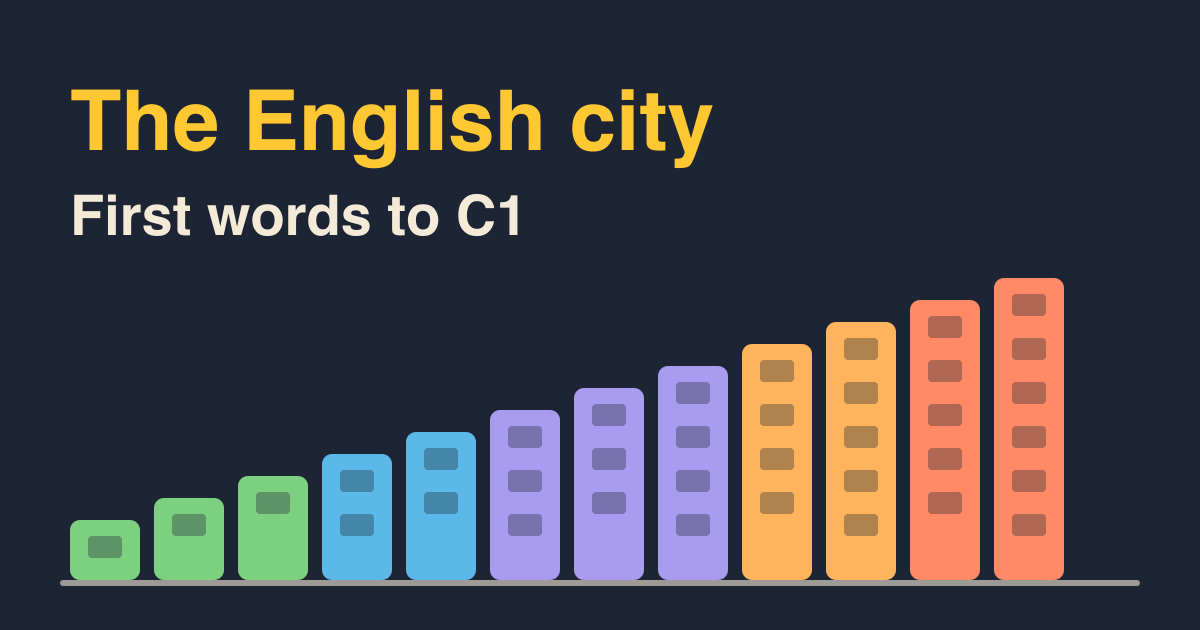
In StuCent, your child learns English by exploring a city. They open a room, hear a short sentence, tap the matching picture and then say it out loud. The English city goes from a child's very first words to advanced English, and it has its own lessons for younger children and for teens.
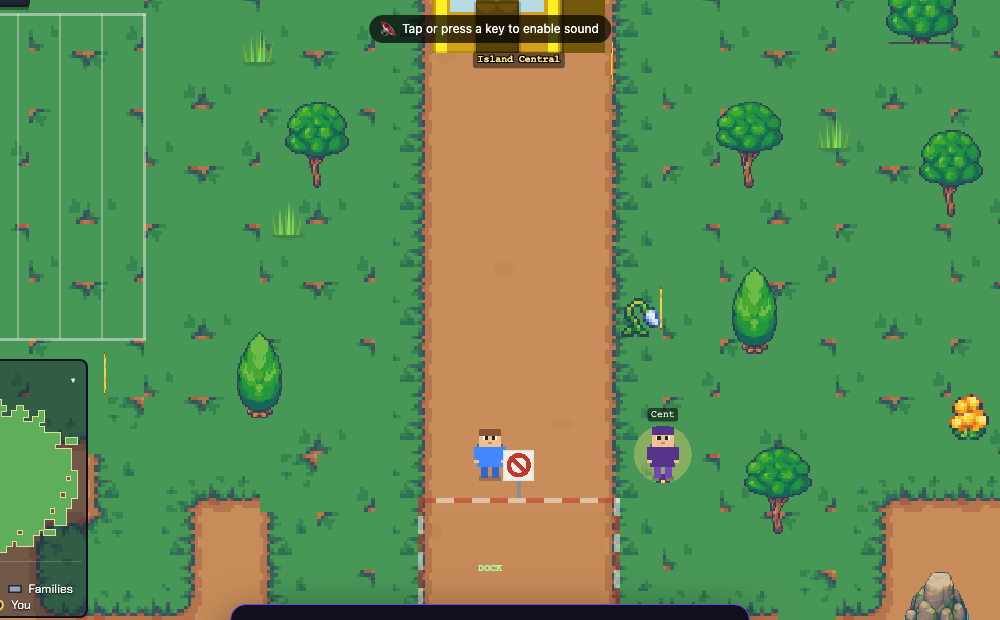
StuCent is a game-like world. New players start on Welcome Cove, where Cent, the guide, shows them around. The English city is on the Languages island.
What does my child do in the first room?
Here is the first room of the English city, "I am, you are", as a child aged about 6 to 11 sees it:
- A short lesson. Lucy and Tom say hello: "I am Lucy." "You are Tom." A few lines, big bold words, one idea.
- Listen and tap. A voice says "I am a student." Your child taps the right picture out of three.
- Fill the gaps. "I ___ Lucy. You ___ Tom." They choose words from a small word bank.
- Put the words in order. I · am · not · Tom.
- Listen and say it. They hear eight short phrases, such as "I'm Tom." and "Are you a student?", and say each one into the microphone.
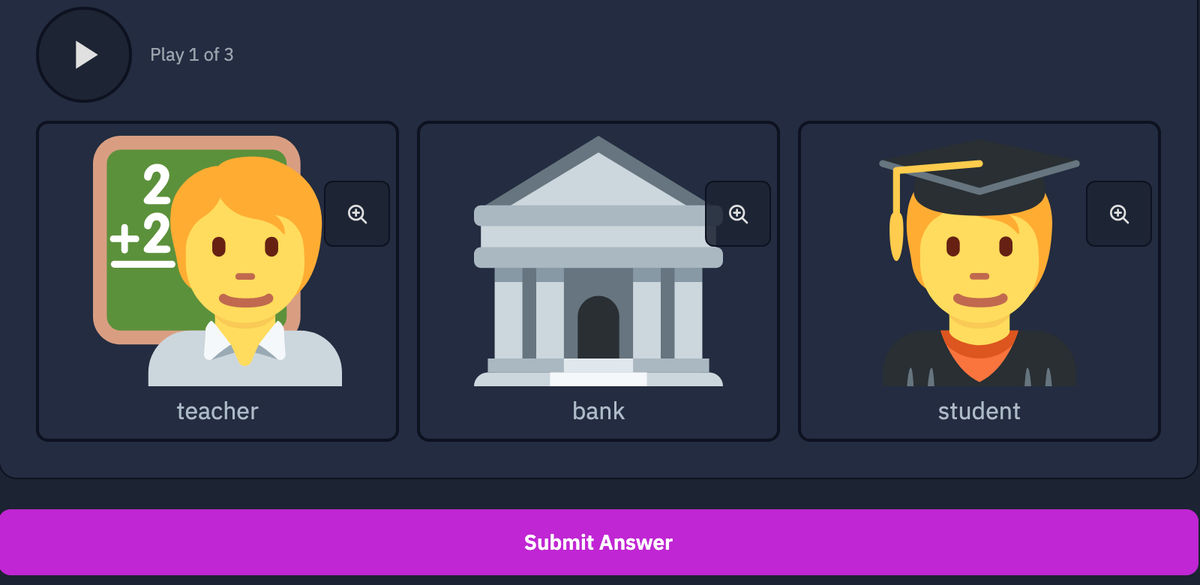
Step 2 in StuCent: your child plays the sentence (up to three times) and taps the picture it matches.
A teen opening the same room gets a different story (a job interview with Ms Smith), more steps and a dictation (listening and writing down what they hear), at their own reading level.
Open the first room: "I am, you are" (create an account first, so StuCent can save your child's stars).
Which level should my child start at?
The city follows the CEFR, the scale schools use for language levels. Here is what each level means in plain words:
| Level | What a learner can do |
|---|---|
| A1 (beginner) | Say who they are, use everyday words and very simple sentences |
| A2 | Talk about their day, their family and what they did yesterday |
| B1 | Tell a story, give a reason, say what they would do |
| B2 | Discuss news, science and feelings, and follow most conversations |
| C1 | Speak and write fluently about work, history and ideas |
A beginner of any age starts at A1. Every child starts at the first room; one who already knows the basics passes the early rooms in fewer tries.
In Malaysia, school English is aligned to the same scale, in both the primary curriculum (KSSR) and the secondary one (KSSM): the Ministry of Education's English Roadmap 2015–2025 set targets of A2 by the end of primary school and B1 to B2 by SPM. As a rough guide only, a pupil working towards the primary target would be in the city's A1 and A2 districts, and one working towards SPM in B1 and B2. CEFR levels describe what a learner can do in English, not a school year.
Is it right for a 6-year-old? For a teen?
- About 6 to 11: from A1 to B1, every room has a version written for younger children, with pictures, short sentences and audio. A parent nearby helps at the start.
- Teens: every room, A1 to C1, has a teen version with real-life topics and more speaking. Teens can work on their own.
Can I help if my own English is basic?
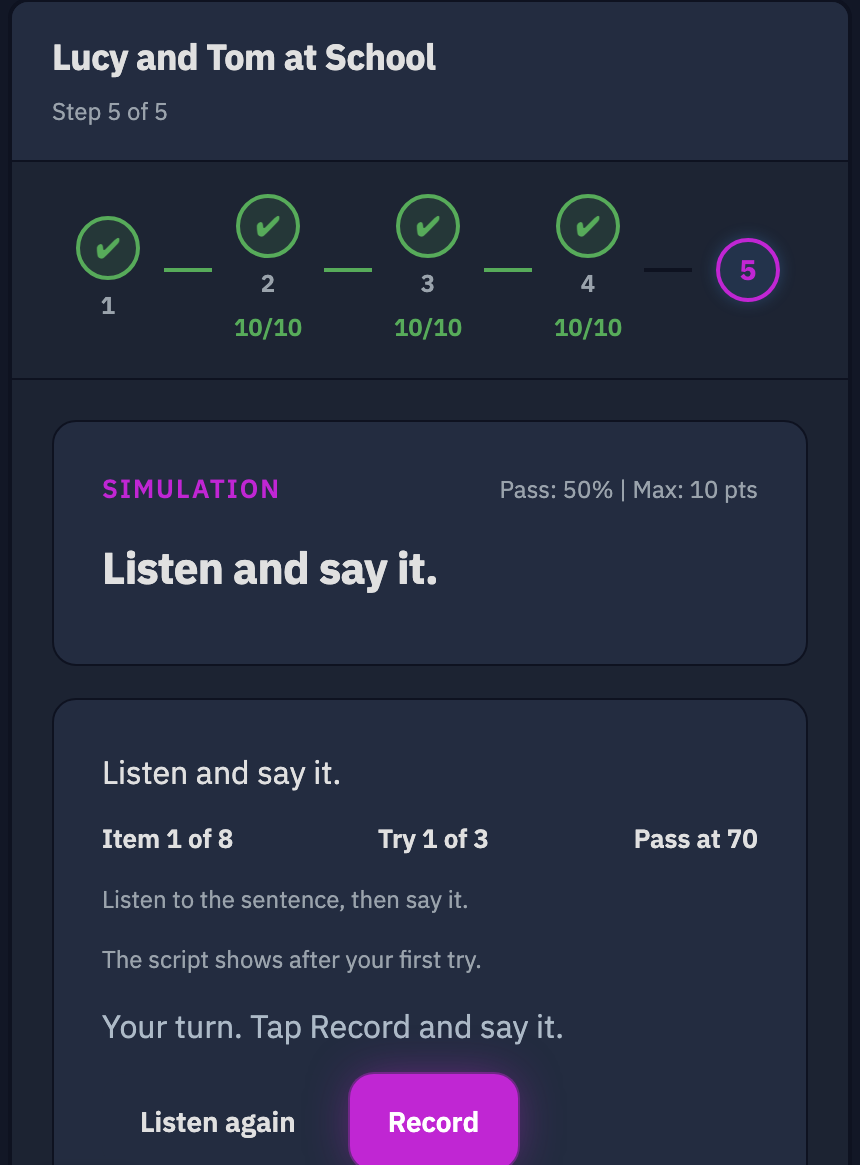
A speaking step in StuCent: listen, then tap Record. The written sentence shows only after the first try, so your child listens first.
Yes. In the guided speaking steps (repeat, read aloud, shadowing), every sentence is spoken first by a clear voice, so your child copies that model, not you. StuCent's menus and buttons come in 18 languages, including Bahasa Melayu, Chinese and Tamil. You can sit with your child, listen to the model together, and say it together. It is good practice for you too.
Is it safe?
- Voice recordings are turned into text to score the speaking step, then deleted. A child's recording is kept only if a parent allows it. Details are in StuCent's privacy policy.
- Chat: parents can make their child's chats read-only or turn them off.
- Your view: link a parent account to your child's account to see the rooms they passed and their stars, and get a weekly report by email.
How does a child move up?
Rooms unlock in order: a room that builds on another opens once the earlier one is passed. Each room gives up to three stars. After a while, a mastered room asks for a short re-check, so earlier learning gets practised again.
Want to know more about the speaking steps? Read Shadowing for Kids: Speaking Practice at Home. Teaching a class? See the English course for tuition centres and schools.
Create a family account and start the English city
FAQ
How long should my child spend each day?
A short, regular session is a good habit: for example 10 to 15 minutes a day, rather than one long session a week.
Can my child use it before they read confidently?
Younger lessons use pictures and audio, and the guided speaking steps play a model first. A parent sitting nearby helps a child who is still learning to read.
Which devices work?
A phone, tablet or laptop with a web browser and a microphone.